


Enable evidence-based data-driven healthcare
Request a DemoHealthcare organizations are increasingly turning to data analytics to derive insights from complex, ever-expanding medical datasets. These insights enhance patient care and drive medical innovation. With IBM SPSS Statistics, hospitals, clinics, and clinical research institutions can meet the rising demands for personalized medical treatment, critical resource management, and proactive disease prevention. Public health agencies can track disease patterns and predict outbreaks using epidemiological data, while medical researchers and pharmaceutical companies can accelerate drug discovery and clinical trials with clinical data and biostatistics. By integrating various data sources, such as patient records, insurance claims, and real-time analytics it can provide a cohesive view of a patient's health journey.

By understanding patient preferences, risk profiles and health trends, healthcare professionals can provide more targeted care, improving patient engagement and outcomes. This approach helps increase patient satisfaction and fosters long-term relationships by offering tailored healthcare solutions.

Healthcare providers can proactively forecast patient needs and potential health risks, allowing for proactive intervention. By recognizing patterns in patient data early on, hospitals and clinics can prevent complications, reduce hospital readmissions, and ensure timely treatments.

Data-driven insights help healthcare organizations allocate resources more effectively by identifying high-priority areas such as staffing, equipment, and patient care services. By understanding patient volumes, demand trends, and resource utilization, hospitals can streamline operations and maximize patient care efficacy.
Utilize regression analysis in clinical research to allow for a detailed examination of the relationships between independent and dependent variables. This helps to quantify how various predictors, such as treatment types or patient demographics, influence health outcomes. By employing techniques like linear and logistic regression, clinical researchers can identify significant factors affecting recovery rates or disease prevalence.
.avif)
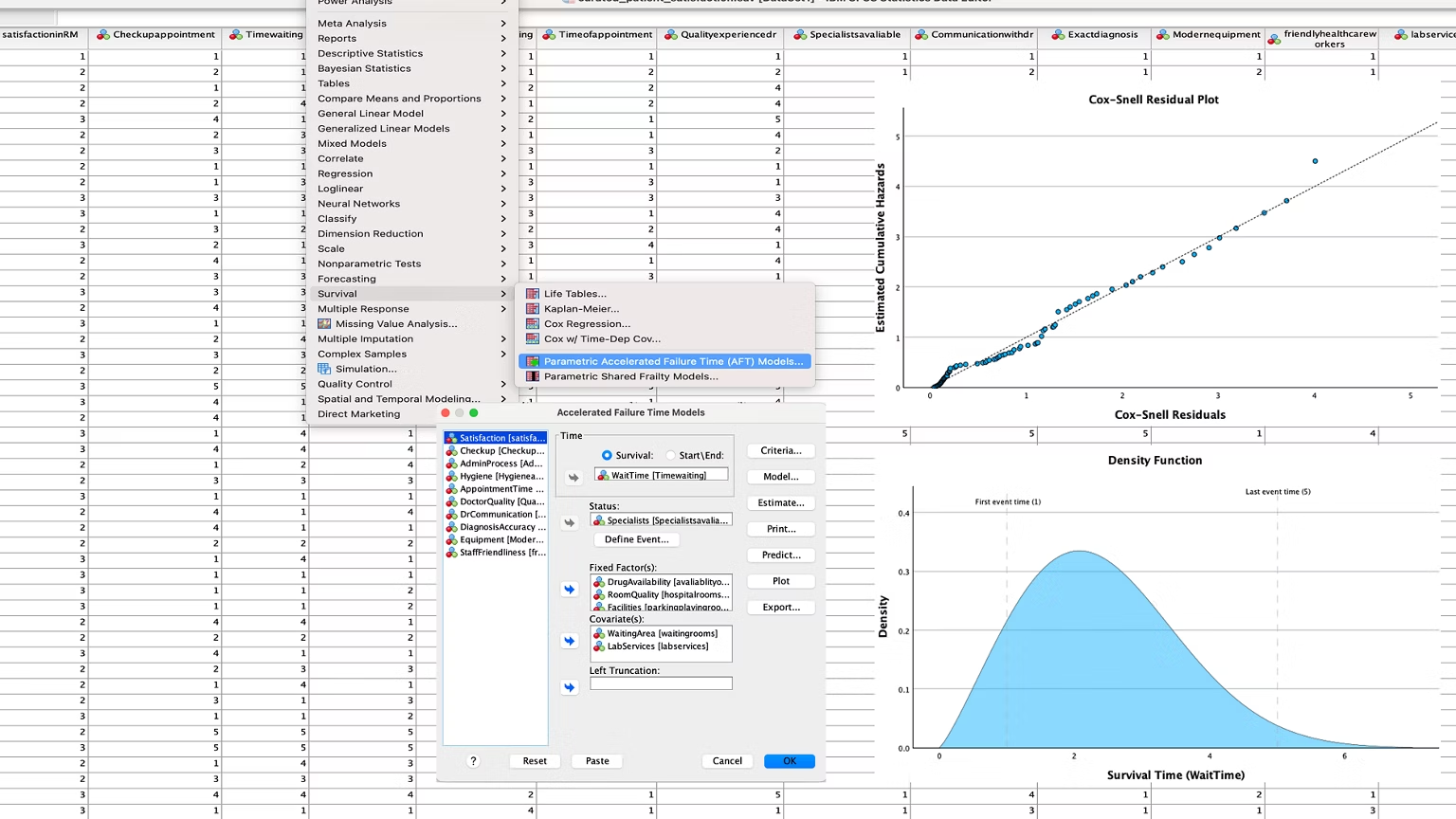
Implement survival analysis to predict the likelihood of patient readmissions based on historical medical data, such as length of hospital stay, medical history, and post-discharge care plans. This technique estimates the time until a specific event (like readmission) occurs, allowing healthcare providers to identify at-risk patients early. It enables targeted interventions, reducing the chances of readmission by improving discharge planning and follow-up care, ultimately lowering healthcare costs.
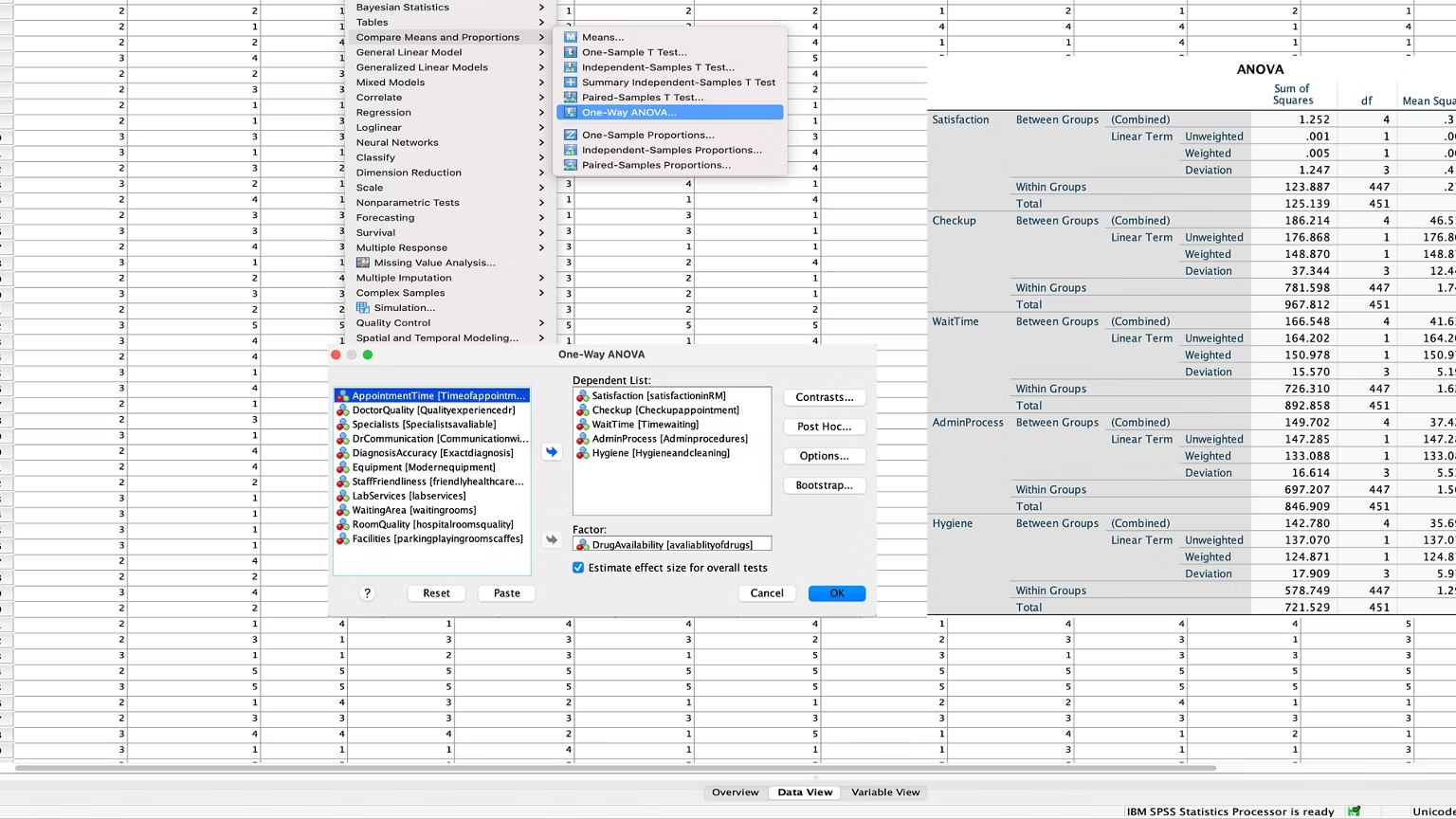
Apply comparative analysis to assess healthcare quality by comparing various quality indicators, such as patient outcomes, treatment efficacy, and care consistency across different hospitals or departments. Techniques like ANOVA or t-tests can help determine statistically significant differences in care quality between groups. This analysis highlights areas where healthcare providers can improve service delivery and implement targeted quality improvement initiatives.
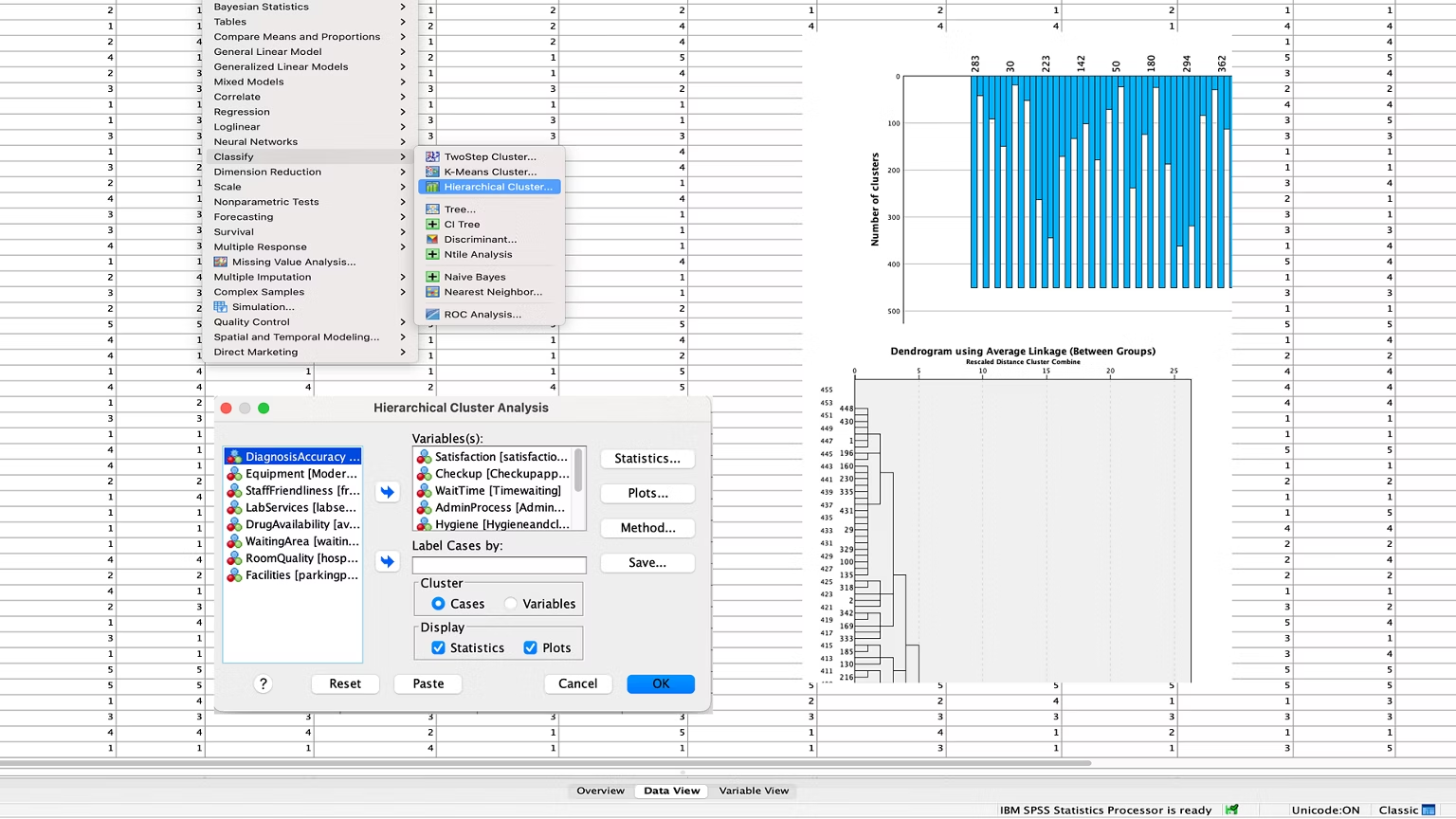
Make use of cluster analysis to analyze demographic and geographical data to detect disease outbreaks in specific regions. By grouping areas with similar infection rates or demographic factors, this technique helps public health officials pinpoint localized outbreaks and understand how they spread. The k-means or hierarchical clustering methods can identify areas at higher risk and allow for a quicker, more targeted response, including resource allocation and interventions to prevent widespread infection.
Fill out the form and our trusted partner will reach out within 48 hours.